La Corderie will be closed on 24th, 25th, 26th and 31st December and on 1st and 2nd January 2026. Happy holidays!
Cotton belts
What is cotton?
Grown on every continent (except Antarctica), cotton is the most widely produced natural fiber in the world. The fibers are extracted from the cotton bolls that appear after the plant flowers. These fibers are then processed to produce yarn, which is subsequently woven.
Cotton has been used for millennia. The earliest traces of its use date back to the 5th millennium BC in India, but even older fragments of cotton textiles have been found in Peru, dating from the 7th millennium BC. The invention of the cotton gin revolutionized production and allowed cotton to become a major industrial raw material during the Industrial Revolution.
Cotton is used to make cotton rope, but also for fabrics (muslin, denim, jersey, etc.). It is also believed to have medicinal properties, particularly for treating osteoporosis. Our 100% natural cotton ropes and straps are made in Belgium or France.
What are cotton straps and ropes used for?
Cotton ropes:
Cotton ropes are valued for their soft feel, flexibility, and ease of knotting, with knots that hold well under load. Their uses are varied:themacramecrochet and other visual arts projects, thanks to their pleasant texture and natural appearance.Heat-resistant cotton twine is ideal for tying meats or attaching aromatic herbs for cooking.Their natural beauty makes them a popular choice for interior decoration, rug making, or plant hangers. They are also used as wicks for candles or oil lamps.
Cotton straps:
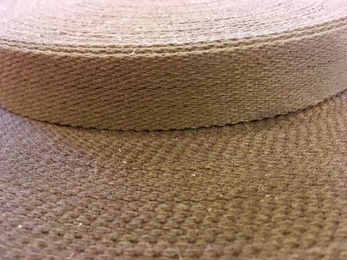
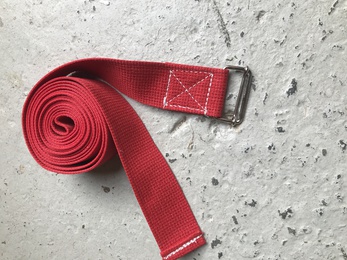
Cotton straps are strong, flexible, and durable. They combine comfort and strength, making them useful for everyday use in a variety of applications: aFurniture and upholstery (essential for thethe sturdiness of the furniture, such as support for chairs and sofas), mode and accessories(belts, luggage and bag straps…), bwell-being and sport(yoga straps, judo straps…)
Usage limitations
Unlike polyamide, cotton ropes and webbing are not suitable for applications requiring high shock absorption (such as climbing) or constant exposure to the elements. Cotton absorbs water and moisture, which can cause the fibers to shrink and eventually rot if left wet, thus reducing their strength and durability under these conditions.
What are the characteristics of cotton straps and ropes?
Cotton ropes and straps are primarily used for applications where softness, flexibility, and a natural appearance are preferred over strength or use in wet environments, unlike polyamide.